Lead-Acid or Lithium? The Battery Choice for Solar Buyers
When people start planning a solar installation, most of the attention goes to the panels. How many will fit on the roof? Will they generate enough electricity? Can they power the whole house?
The battery, however, often has a bigger impact on how useful the system feels. It determines how much electricity you can use after sunset, how long your backup lasts during a blackout, and how often you'll need to think about replacing it. For most residential solar systems today, the choice usually comes down to two options: lead-acid and lithium batteries.
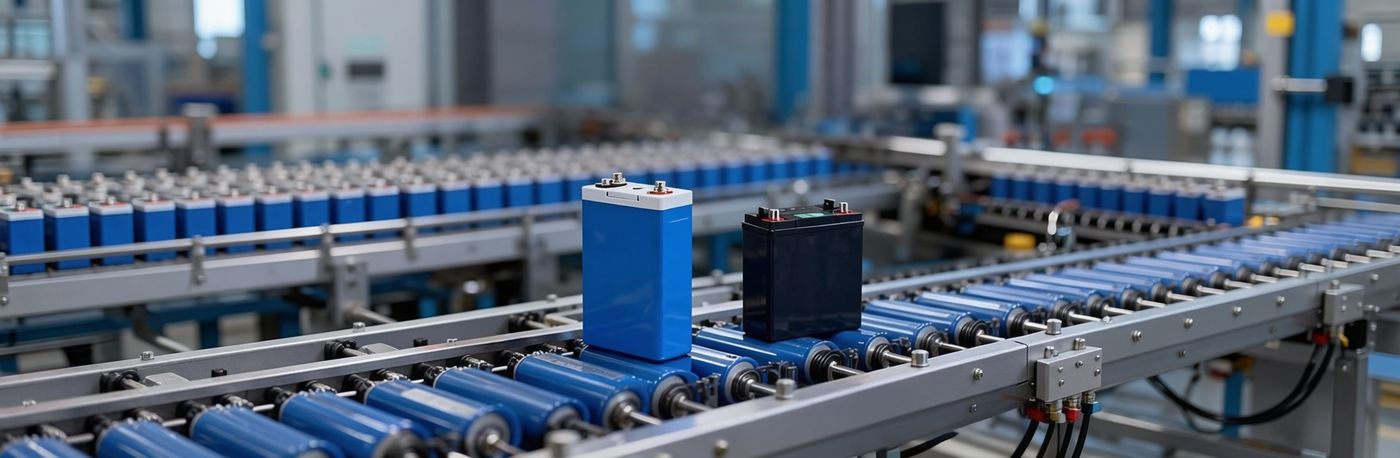
Lead-acid batteries have powered solar systems for decades. Their biggest advantage is cost. They are generally more affordable upfront, making them attractive to households working within a tighter budget or those looking for a basic backup system.
Lithium batteries, on the other hand, cost more initially but typically last much longer, require little maintenance and allow you to use a larger portion of their stored energy without shortening their lifespan. For households that depend on solar every day, those advantages can become more important over time.
The choice isn't simply about buying the cheaper battery, but about buying the battery that matches how you use electricity
One of the biggest mistakes solar buyers make is comparing batteries based only on purchase price. A battery that costs less today may need to be replaced sooner, while one with a higher upfront price could continue performing for many more years. Looking only at the initial cost doesn't always tell you which option is more economical over the lifetime of the system.
Your daily electricity habits matter just as much. A household that mainly uses electricity during the day places different demands on its battery than one that runs air conditioners, televisions and other appliances long after sunset. That's why two homes with similar solar systems may end up with different battery recommendations.
There isn't a single battery that's right for everyone. The better choice depends on your budget, your electricity needs and how you expect to use your solar system over the years ahead.
The best solar systems aren't built around the most expensive components, but around the people using them. Before choosing a battery, make sure your system is designed around your actual electricity consumption—not assumptions. That's the difference between a solar system that simply works and one that works well.
Did you know?
Lithium batteries generally last several times longer than lead-acid batteries under regular cycling, but they also come with a higher upfront cost. That's why the cheapest battery to buy isn't always the cheapest battery to own.

Fabian Omini
Energy Analyst
Fabian Omini is an energy analyst with a keen interest in translating complex energy and finance topics into clear, accessible narratives for everyday Africans.