Can Solar Really Power Your Air Conditioner? Here's What Determines the Answer
For most Nigerians considering solar, you might probably start asking if you'd be able to use your AC as much as you'd want. People know solar can power lights, fans and televisions. The moment an AC enters the conversation, though, the assumptions change.
- Wouldn't it be too expensive?
- Wouldn't you need your entire roof covered in panels?
- Would the batteries last through the night?
The reality is that running an air conditioner on solar power is entirely possible. The more important question is what it takes to do it reliably. That depends on how much cooling you need, how long you run the AC, and what other appliances share the same system.
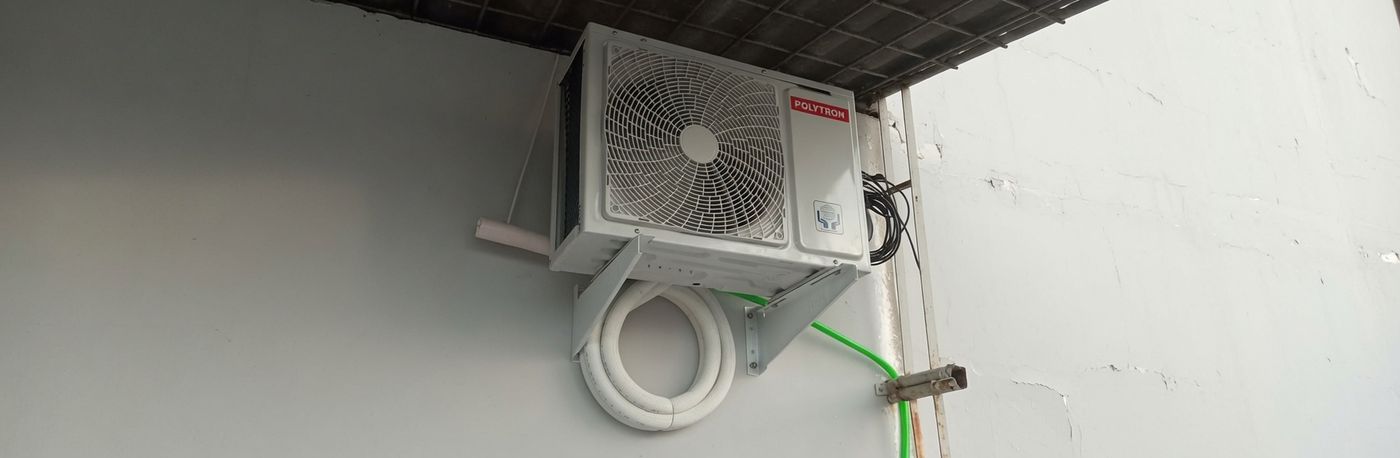
One of the biggest misconceptions is that every air conditioner consumes its maximum rated power all the time. Modern inverter air conditioners typically consume significantly less electricity than older fixed-speed models because the compressor slows down once the room reaches the target temperature instead of repeatedly switching fully on and off. As a result, two households with the same air conditioner can record very different electricity consumption.
Under typical overnight operating conditions, modern residential inverter split air conditioners can consume approximately:
Actual consumption varies depending on the room size, insulation, outdoor temperature, thermostat setting, occupancy and the efficiency of the air conditioner. These differences matter because every additional kilowatt-hour increases the amount of energy your solar system must supply.
The time of day matters too. Running an air conditioner while the sun is shining is generally much easier because the solar panels can supply most of the electricity directly. Running the same air conditioner overnight is more demanding because the energy must first be stored in batteries during the day before it can be used after sunset. This is why battery storage often becomes one of the most important considerations when designing a residential solar system intended to provide overnight cooling.
Cooling also isn't an all-or-nothing decision
Someone who runs a bedroom air conditioner for three hours before sleeping will need a very different system from someone who keeps multiple units running throughout the night. Choosing an efficient inverter air conditioner, improving room insulation and setting a reasonable thermostat temperature can all reduce the amount of electricity the system needs to provide.
The biggest mistake is designing a solar system around assumptions instead of actual usage. Two homes with identical air conditioners can require completely different solar systems because of differences in occupancy, insulation, appliance mix and daily habits.
The question really isn't whether solar can power your air conditioner. It surely can. The real question is whether the system has been designed around how you actually use it, rather than how you imagine you use it. In many cases, a proper load assessment is the difference between a system that performs reliably and one that falls short of expectations. If you're planning a solar installation, start with a proper load assessment before choosing a system.

Fabian Omini
Energy Analyst
Fabian Omini is an energy analyst with a keen interest in translating complex energy and finance topics into clear, accessible narratives for everyday Africans.