Bifacial Solar Panels Cost More in Nigeria. When Are They Worth It?
Bifacial Solar Panels Cost More in Nigeria. When Are They Worth It?
Walk into a solar shop in Lagos and you may be shown two 550-watt solar panels from the same manufacturer. One costs more than the other because it is bifacial. This may sound like an obvious upgrade, but in reality, paying extra only makes sense if the panel is installed where its second side can do some work.
A standard solar panel, known as a monofacial panel, generates electricity only from sunlight striking its front surface. The back is sealed with an opaque layer that blocks light. A bifacial panel replaces that backing with glass or another transparent material, allowing the solar cells to collect light from both sides.
That second side does not receive direct sunlight. Instead, it captures light reflected from the surface beneath the panel, a property known as albedo. Bright surfaces such as white concrete, light-coloured gravel and water reflect much more light than dark roofing sheets or asphalt.
The more light the ground reflects, the more opportunity the rear side of a bifacial panel has to generate additional electricity.
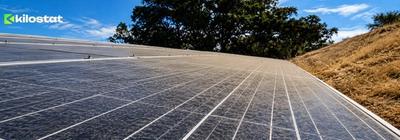
That is why the installation matters as much as the panel itself. A bifacial module mounted a short distance above a reflective surface can produce noticeably more electricity than a comparable monofacial panel. The same module installed close to a dark roof often delivers only a modest rear-side gain because very little light reaches the back of the panel.
That extra capability usually comes at a higher price. Nigerian retailers typically charge a modest premium for bifacial modules over comparable monofacial models of the same wattage, although the difference varies by brand, supplier and exchange rate. For homeowners installing several panels, the additional cost can add up quickly, making it worth asking whether the installation will allow the rear side of the panel to contribute meaningfully.
International testing consistently shows that bifacial panels perform best when they are elevated above highly reflective surfaces. Depending on the installation, rear-side generation can range from only a few percent on conventional rooftops to more than 20% on well-designed ground-mounted systems with high-reflectivity surfaces. This technology is not automatically more productive but depends on how and where it is deployed.
Research carried out on floating solar systems designed for Nigerian reservoirs points in the same direction. The study found that bifacial modules installed over water produced measurable energy gains compared with equivalent monofacial panels because the water surface reflects light while also helping keep the panels cooler. Those conditions are very different from a typical residential rooftop, where dark roofing materials absorb much of the light that the rear side of a bifacial panel would otherwise capture.
The lesson is very straightforward
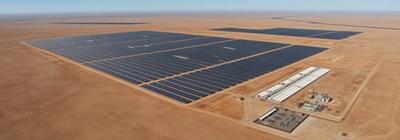
Bifacial panels are best suited to installations where the panels are raised above reflective surfaces, such as open ground with light-coloured gravel, elevated commercial arrays, floating solar projects or other sites where reflected light can reach the rear cells. For a conventional rooftop installation, the extra cost often delivers only a modest increase in electricity generation.
Before paying more for a bifacial panel, ask one question:
The answer may tell you more about whether the investment is worthwhile than the brand name or wattage printed on the front.
Sources: Product pricing cross-checked across multiple Nigerian solar retailers, including comparable Canadian Solar modules (2026); International Energy Agency PVPS, Bifacial Photovoltaic Modules and Systems; National Renewable Energy Laboratory (NREL), research on bifacial photovoltaic performance; Nigerian academic study modelling floating bifacial photovoltaic systems on Nigerian reservoirs.

Fabian Omini
Energy Analyst
Fabian Omini is an energy analyst with a keen interest in translating complex energy and finance topics into clear, accessible narratives for everyday Africans.