Who Regulates Your Electricity in 2026: NERC or State?
Who to Hold Accountable for your Electricity in 2026
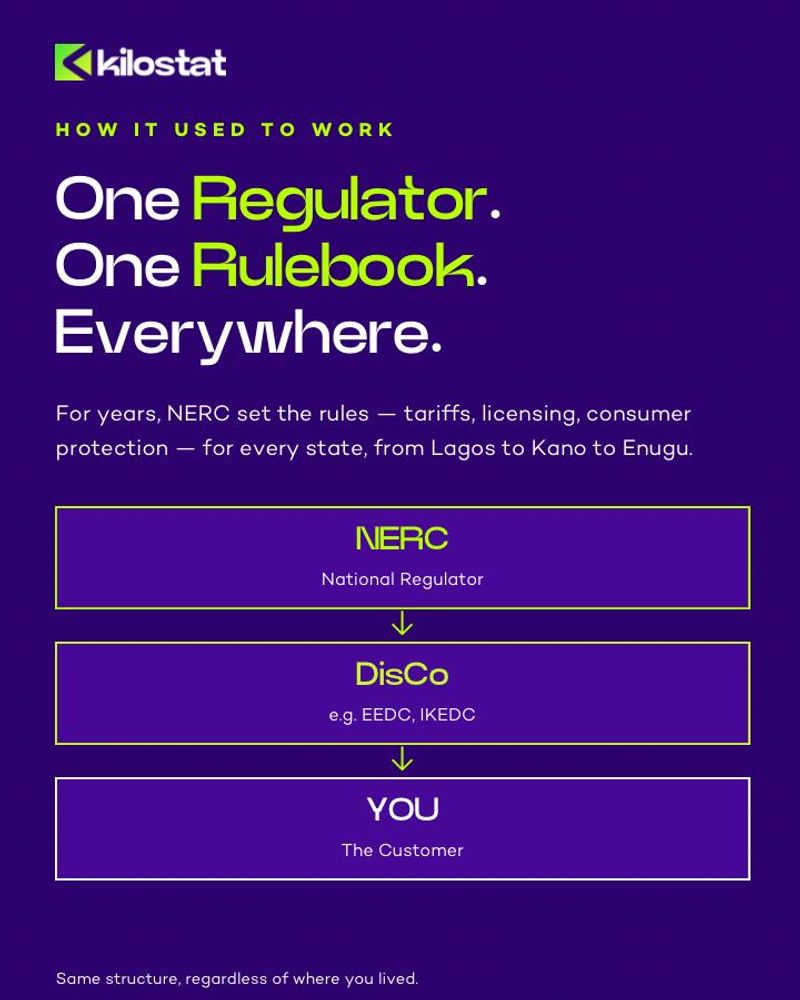
For years, electricity in Nigeria operated under a largely centralised structure. Distribution companies supplied power to homes and businesses, while the Nigerian Electricity Regulatory Commission (NERC) set the rules governing tariffs, licensing, consumer protection, and market operations. Whether a customer lived in Enugu, Lagos, Kano, or Port Harcourt, the regulatory framework was essentially the same.
That arrangement began to change with the Electricity Act 2023, which gave states the power to establish and regulate their own intrastate electricity markets. Enugu became one of the first states to exercise those powers. In October 2024, the state formally transitioned to a new structure under the Enugu State Electricity Regulatory Commission (EERC), creating a market that is regulated at the state level rather than entirely from the FCT.
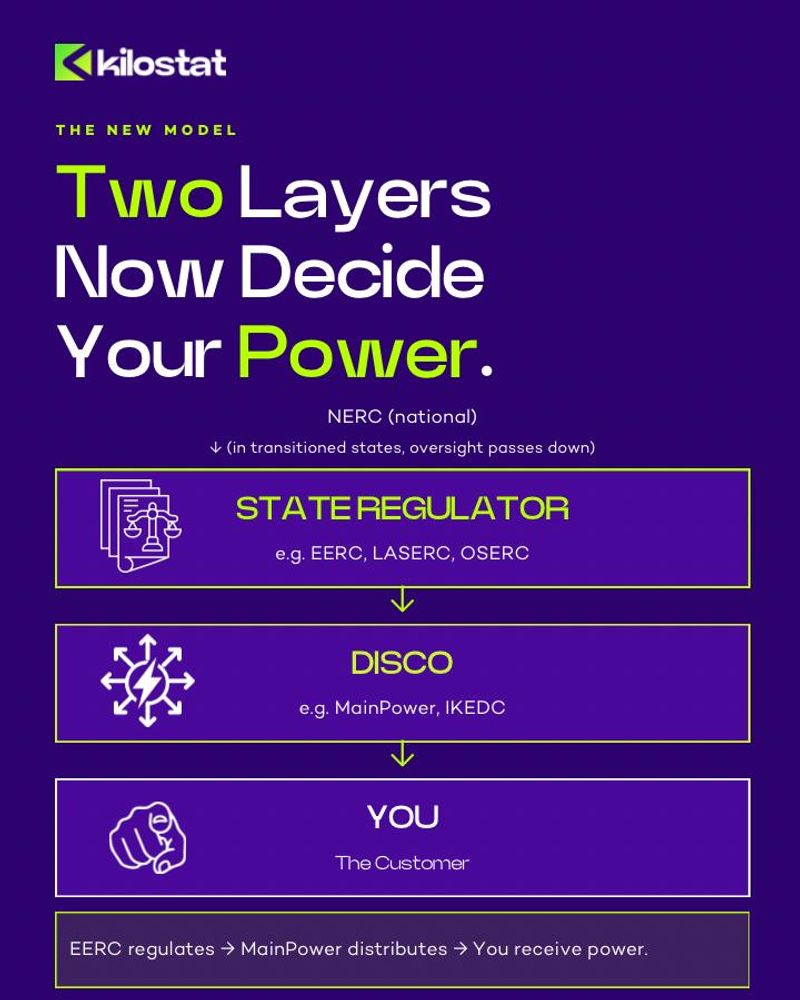
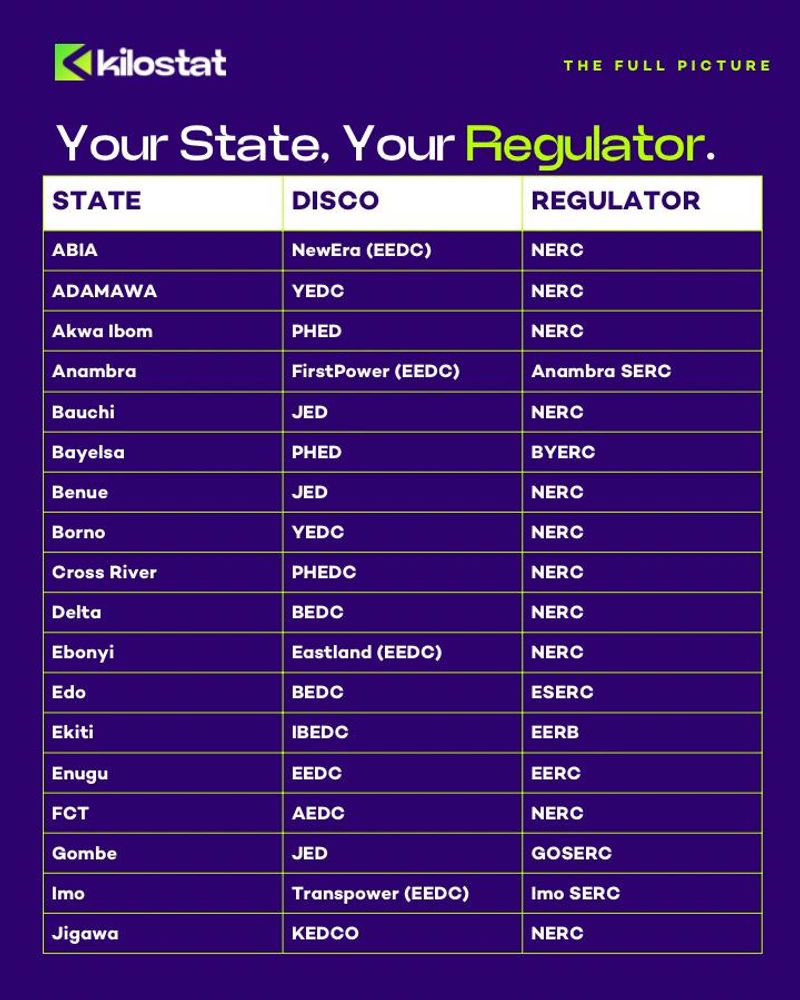
Many residents know EEDC as the company that historically distributed electricity across Enugu, Abia, Anambra, Ebonyi, and Imo States. Today, however, electricity in Enugu involves both EERC and MainPower Electricity Distribution Limited. They are not the same thing, and they do not perform the same function. EERC is the regulator responsible for licensing, market oversight, and consumer protection within Enugu State. MainPower is the distribution company responsible for supplying electricity to consumers under that regulatory framework.
The distinction matters because it represents a broader shift in how electricity governance is organised. Under the previous structure, regulatory authority flowed from NERC to EEDC and then to consumers. Under Enugu's new arrangement, EERC assumes many of the regulatory responsibilities that NERC previously exercised within the state, while MainPower operates as the licensed distributor. In practical terms, Enugu is attempting to run its own electricity market within the powers granted by the Electricity Act.
The argument for this model is straightforward. States understand their own electricity challenges better than a national regulator overseeing dozens of markets simultaneously. A state regulator can focus on local priorities, approve projects more quickly, and design policies around the specific needs of households, businesses, and investors within its territory. Supporters argue that this creates a better environment for attracting investment into generation, distribution infrastructure, and metering.
Whether that promise translates into better electricity is still an open question. Creating a regulator does not automatically increase generation, reduce outages, or replace ageing infrastructure. Consumers will ultimately judge the model by outcomes rather than institutional changes. If electricity supply improves, metering expands, and investment increases, the case for state-led electricity markets becomes stronger. If service remains largely unchanged, critics will argue that the reform merely added another layer of administration.
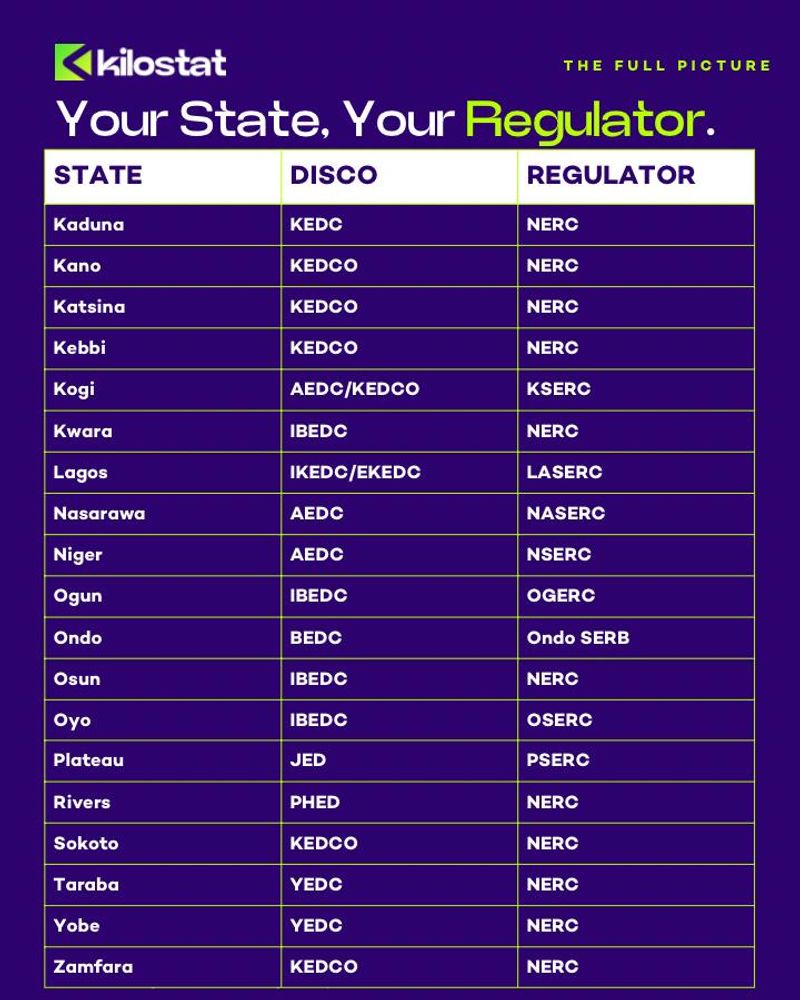
Enugu is not the only state moving in this direction. Lagos, Edo, Oyo, and several others have established or are developing state electricity frameworks under the Electricity Act. What makes Enugu notable is that it is among the earliest states where electricity regulation has moved beyond legislation into an operational state-level market structure.
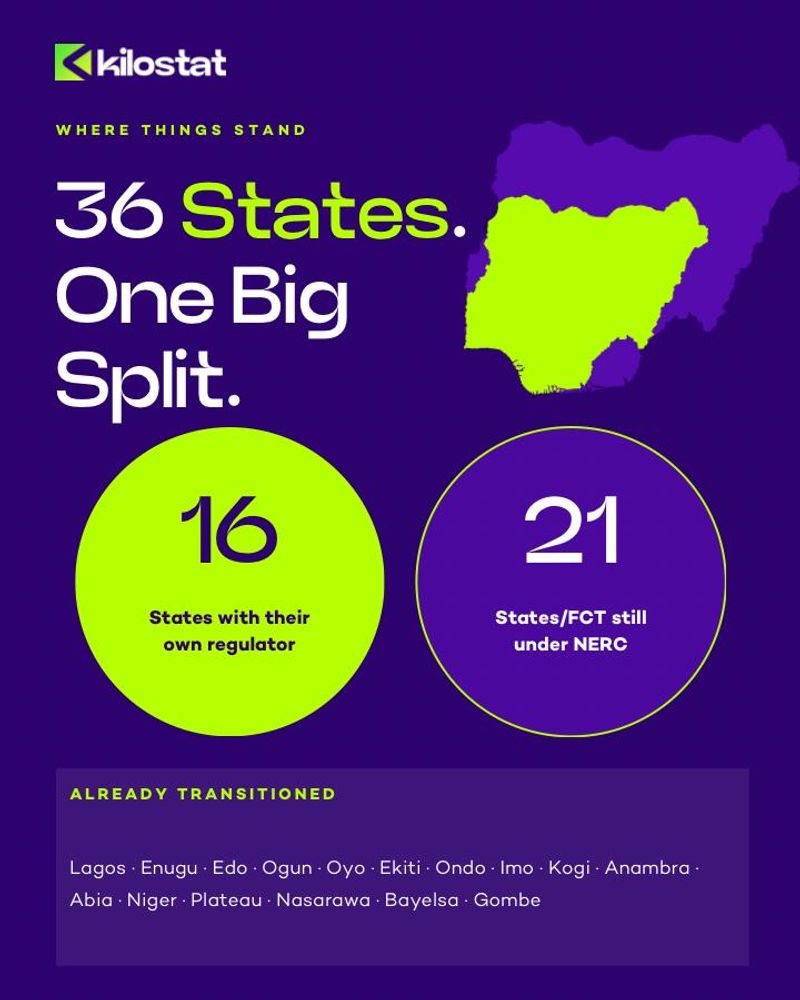
The significance of that experiment extends beyond Enugu. If the model succeeds, more states are likely to follow. If it fails, it will strengthen the argument that Nigeria's electricity problems run deeper than regulation alone. Either way, the state has become an early test case for one of the most consequential reforms in Nigeria's power sector since privatisation.

Fabian Omini
Energy Analyst
Fabian Omini is an energy analyst with a keen interest in translating complex energy and finance topics into clear, accessible narratives for everyday Africans.