One of Africa's Biggest Mini-Grid Companies Is Making a Bigger Bet on Nigeria
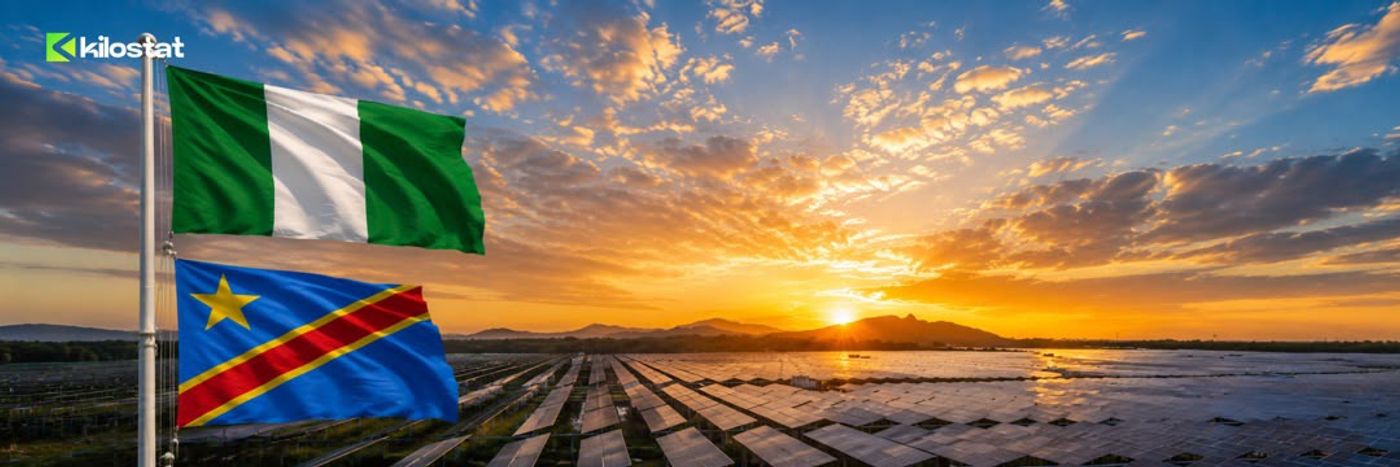
One of Africa's largest solar mini-grid developers wants to spend $650 million expanding across the continent by the end of the decade. Nigeria and the Democratic Republic of Congo are at the centre of those plans, with $450 million of the proposed investment allocated to the two countries.
The company is WeLight, which operates more solar mini-grids across Africa than any other developer. Mini-grids are small electricity networks built for communities that are beyond the reach of the national grid. Instead of waiting for transmission lines to arrive, they generate electricity locally, usually with solar panels, batteries and a small distribution network serving homes, shops and public facilities.
This announcement follows WeLight's recent €27 million capital raise, which brought the International Finance Corporation into the company as a shareholder and supports its expansion into Nigeria and the DRC. Now the company says it plans to increase the number of people it serves from more than 800,000 today to about 8 million by 2030, equivalent to around one million electricity connections.
Nigeria’s situation helps explain why the company is expanding here
According to the latest international estimates, around 87 million Nigerians still lack access to electricity, one of the largest electricity access deficits anywhere in the world. Extending the national grid to every underserved community is expensive and often slow, particularly in remote areas where populations are scattered. Mini-grids offer another way of reaching those communities by generating and distributing power locally rather than waiting for high-voltage transmission lines to arrive.
WeLight expects about half of its planned expansion funding to come from development finance programmes that support distributed renewable energy, including Nigeria's World Bank-backed DARES initiative. The remainder would come from equity and concessional debt. That financing structure reflects a broader trend across Africa, where governments and development finance institutions are increasingly relying on private operators to extend electricity access beyond the reach of existing grids.
The announcement is still a plan rather than a completed investment, and delivering projects at this scale will depend on financing, regulation and execution over several years. Even so, the size of the proposed expansion is notable. Large infrastructure investors generally commit capital where they see long-term demand. WeLight's plans suggest that off-grid electricity in Nigeria is increasingly being viewed not as a temporary solution, but as part of the country's long-term electricity infrastructure.
Sources: Bloomberg, Biggest Africa Solar Mini-Grid Firm Plans $650 Million Expansion, July 2026; IFC/WeLight announcement on €27 million capital raise, June 2026; Tracking SDG 7: The Energy Progress Report 2026.

Fabian Omini
Energy Analyst
Fabian Omini is an energy analyst with a keen interest in translating complex energy and finance topics into clear, accessible narratives for everyday Africans.