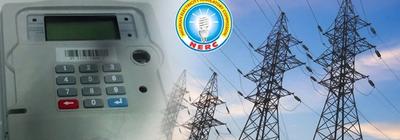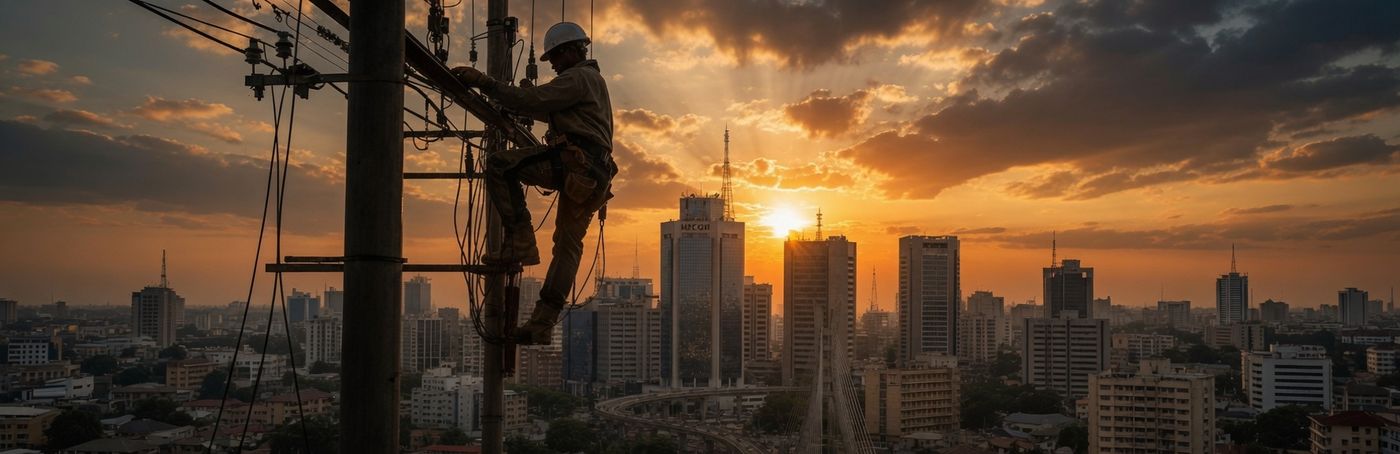
Lagos is rolling out a bold electricity reform with franchise zones and private operators starting October 2026. Through LASERC, the state aims to boost power supply from under 60MW to 200–400MW and achieve over 97% electricity availability by 2030.
How Lagos Plans to Power Itself
Lagos State is implementing a structured electricity market reform under the Lagos State Electricity Regulatory Commission (LASERC), with a phased rollout of franchise-based electricity zones scheduled to begin from October 2026. The reform is based on the Lagos State Electricity Law 2024, which established LASERC and enabled the state to regulate its own intrastate electricity market following constitutional changes allowing sub-national electricity systems in Nigeria.
A key part of the rollout is the issuance of licences across different parts of the electricity value chain, including embedded generation, mini-grids, metering, and independent distribution.
Fourteen licences have already been approved, while additional applications are still under review.
Lagos has also signed power purchase agreements with independent power producers, including Mainland Power Limited, Fenchurch Power Limited, and Viathan Engineering Limited. These agreements are expected to raise available generation capacity from below 60MW to between 200MW and 400MW.
The franchise model is the central mechanism for improving supply. Under this structure, Lagos is divided into defined geographic zones, each assigned to a licensed private operator who is solely responsible for delivering electricity within that area and is held accountable by LASERC for performance. Think of it as giving different companies specific neighbourhoods to manage and measure, rather than one national provider covering everything loosely. Pilot rollout of these franchise zones is scheduled to begin in October 2026.
To support coordination of the system, LASERC is preparing new grid interface guidelines to manage how state-level electricity operators interact with existing federal electricity infrastructure. These guidelines are expected by July 2026. Additional rollout steps include the establishment of consumer complaint centres in Amuwo Odofin in August, with further centres following in Ikorodu and Epe in September, designed to improve service oversight and customer engagement.
LASERC is also developing an AI-enabled metering and monitoring platform known as:
intended to track electricity supply and usage in real time. A pilot deployment is expected alongside the franchise zone rollout in October 2026.
LASERC has set a target of over 97% electricity availability in Lagos by 2030. Whether that target holds depends on licensing enforcement, power purchase execution, and operational performance across franchise zones. The infrastructure being built now is what the improved supply eventually runs on, and it is still being built. For anyone making energy decisions today, that gap between the plan and the delivery is exactly where the cost is.
Sources: LASERC public rollout framework (2026); Lagos State Electricity Law (2024); Electricity Act 2023 / constitutional amendment enabling state electricity markets; LASERC stakeholder engagement updates and licensing announcements (2026); Mondaq: "LASERC's 24/7 Electricity Franchise Zones: A New Chapter For Power Supply In Lagos.”

Fabian Omini
Energy Analyst
Fabian Omini is an energy analyst with a keen interest in translating complex energy and finance topics into clear, accessible narratives for everyday Africans.