Nigeria imports about 6.6% of its electricity through the West African Power Pool, and a climate pattern forming in the Pacific Ocean could reduce that supply.
A Weather Pattern in the Pacific Ocean Could Affect Nigeria's Electricity Supply
Most Nigerians think electricity shortages are a Nigerian problem. When the lights go out, the explanation usually involves gas supply constraints, transmission failures, distribution faults, or another national grid disturbance. Those problems remain real. What receives far less attention is that part of Nigeria's electricity system now depends on what happens beyond its borders.
Nigeria is a member of the West African Power Pool, a regional electricity market linking multiple countries across the region. Through that network, electricity moves across borders depending on where supply is available and where demand is highest. Nigeria both exports and imports power through the system, and the Business Monitor International (BMI), a research unit of Fitch Solutions, estimates that electricity imports account for about 6.6% of the country's supply.
Six per cent is not enough to determine whether the lights stay on or off. But Nigeria's power system already operates under pressure. Available generation regularly falls thousands of megawatts short of demand, leaving little margin when supply is disrupted from any source.
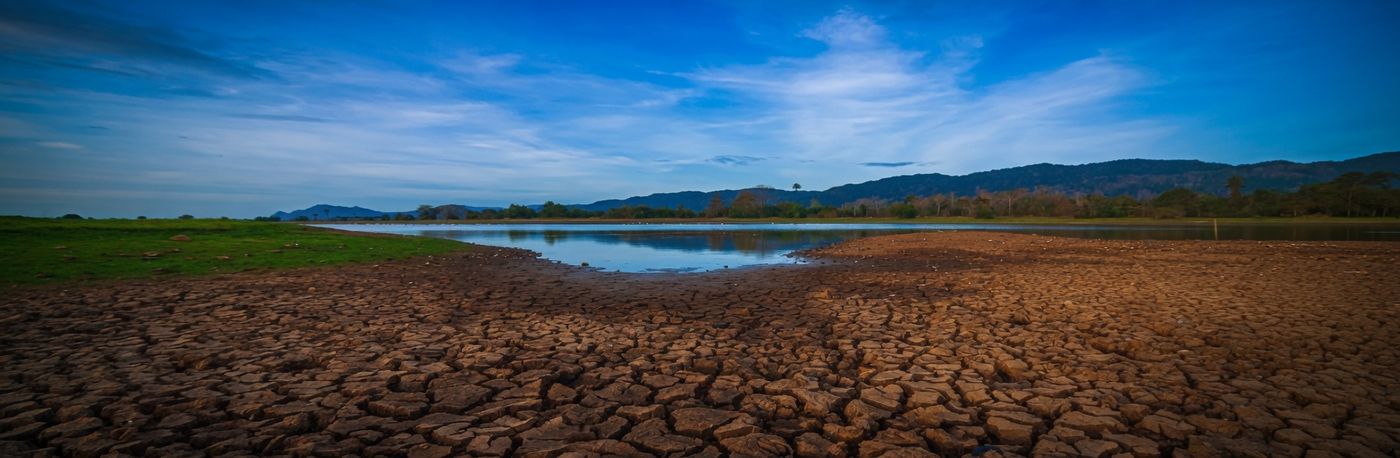
One of the risks BMI is watching sits thousands of kilometres away in the Pacific Ocean. The climate pattern is called El Niño. It begins when ocean temperatures in parts of the Pacific become unusually warm. Those temperature changes affect weather systems around the world, including rainfall patterns across parts of Africa. In regions that depend heavily on hydropower, less rainfall eventually translates into less electricity.
Several electricity-exporting countries within the West African Power Pool rely significantly on hydropower generation. When reservoirs fall and river flows weaken, there is less electricity available for domestic use and less available for export through regional markets.
The same pressure affects Nigeria. Hydropower stations such as Kainji, Jebba and Shiroro depend on water levels to generate electricity. BMI notes that previous El Niño events reduced Nigeria's hydropower utilisation by almost a quarter, illustrating how weather patterns can influence electricity supply long before consumers notice the effect.
The significance of the report is not that Nigeria faces an imminent electricity crisis because of El Niño, but that electricity supply is becoming more interconnected across West Africa. Weather conditions in neighbouring countries, water levels in shared river basins, and changes in regional power flows can increasingly influence a system that many Nigerians still think of as entirely domestic. Nigeria's electricity challenges remain overwhelmingly home-grown, but some of the risks shaping the future of the grid are no longer.
Sources: Nairametrics, Nigeria Faces Growing Electricity Supply Risks as El Niño Threatens Hydropower Generation, June 2026; BMI, Sub-Saharan Africa Power and Renewables Report, June 2026.

Fabian Omini
Energy Analyst
Fabian Omini is an energy analyst with a keen interest in translating complex energy and finance topics into clear, accessible narratives for everyday Africans.